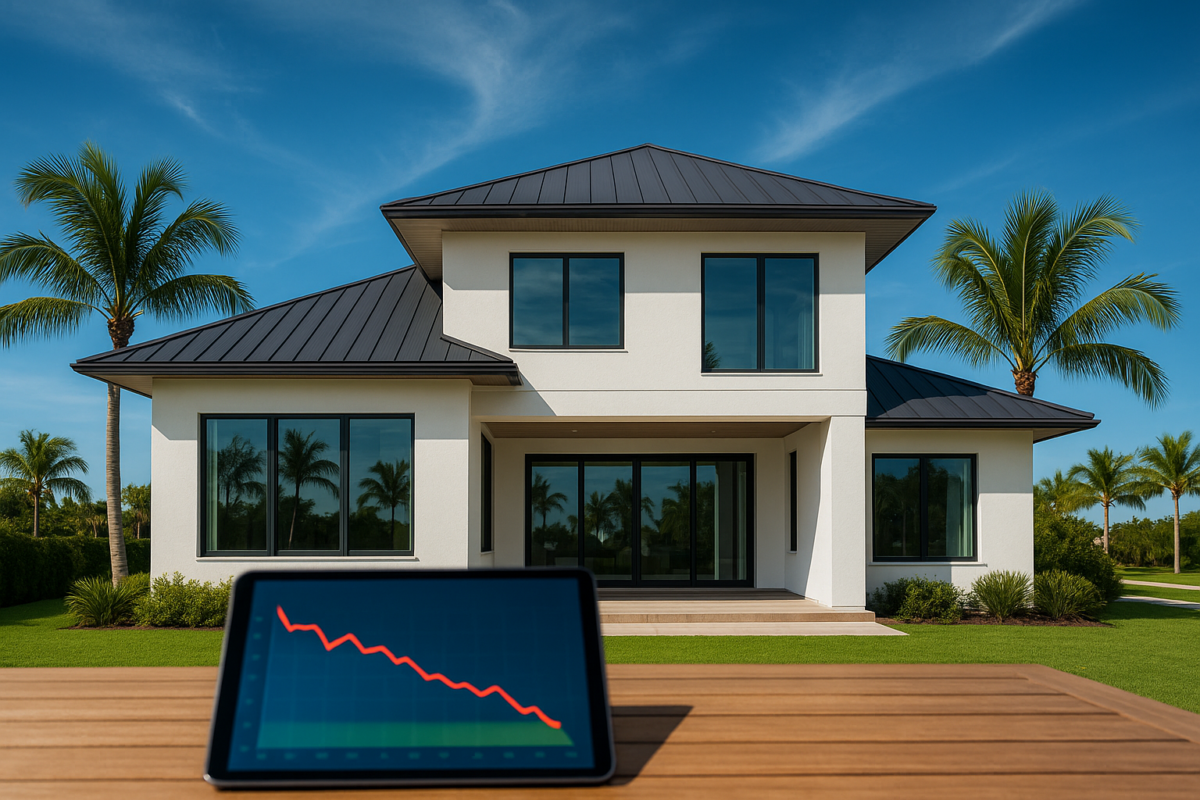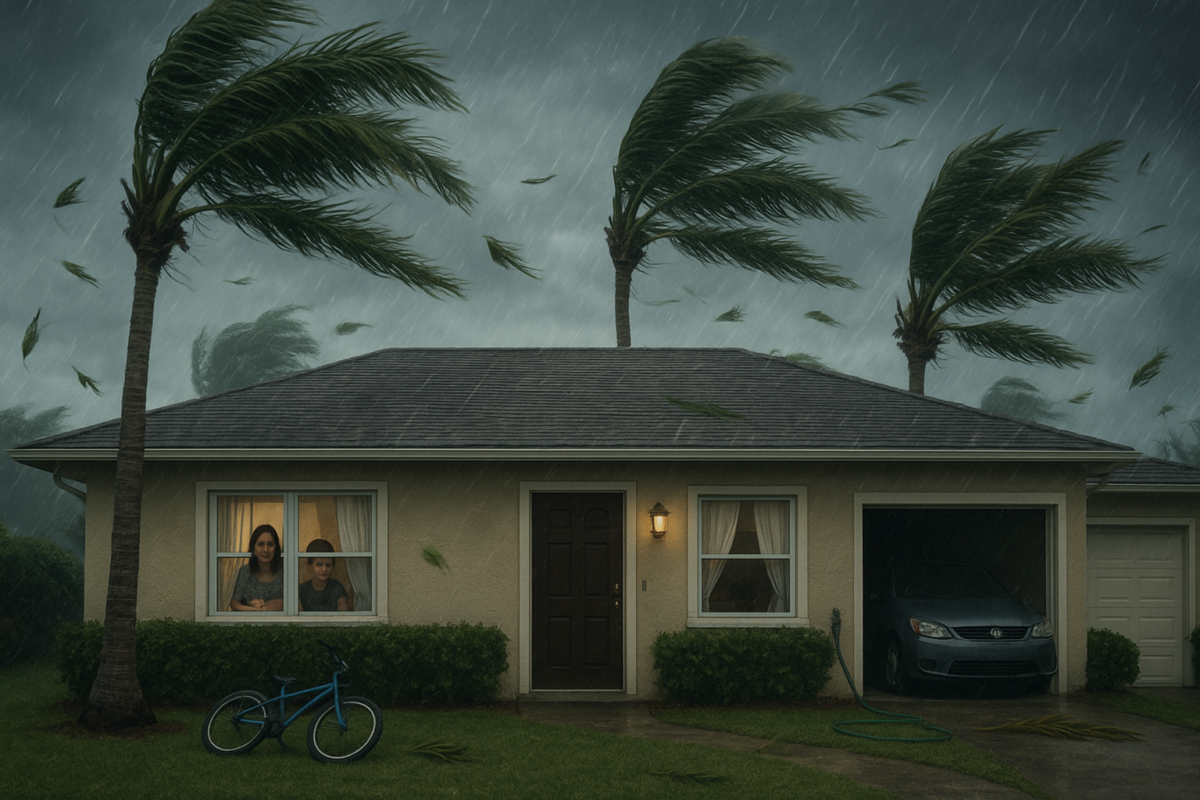
Florida homeowners insurance helps protect your home, belongings, and financial future. In Florida, the weather can change fast. Therefore, homeowners need coverage that matches local risks. Also, safe living starts with smart planning before a storm arrives. However, many people only read their policy after damage happens. With a clear guide, you can make better choices and feel more prepared.
Understanding Florida Homeowners Insurance Basics
Florida homeowners insurance protects your home from covered losses. Usually, a policy covers the structure, personal property, liability, and extra living costs. Also, many policies cover damage from fire, theft, wind, and certain water events. However, every policy has limits and exclusions. Therefore, you should read your declarations page carefully. Then, you can see what your insurer will and will not pay for.
A standard policy often includes dwelling coverage. In addition, dwelling coverage helps repair or rebuild your home after damage is covered. Personal property coverage helps replace furniture, clothes, electronics, and other belongings. Also, liability coverage helps if someone gets hurt on your property. Meanwhile, loss of use coverage helps pay for a hotel or rental if you cannot live at home. As a result, each part plays a different role in your protection.
Florida homeowners should understand deductibles before they buy a policy. For example, your policy may have a regular deductible and a separate hurricane deductible. Also, the hurricane deductible is often a percentage of your dwelling coverage limit. Therefore, a higher home value can mean a larger out of pocket cost after a storm. However, a lower deductible can raise your premium. So, you should choose a deductible that fits your savings and comfort level.
Key Coverage Options for Safer Florida Living
Windstorm coverage matters for many Florida homes. In coastal areas, insurers may treat wind as a major risk. Also, some policies include wind coverage, while others require a separate policy. Therefore, you should ask your agent exactly how wind damage works. For example, a strong storm can damage roofs, windows, fences, and siding. As a result, good wind protection can reduce major financial stress.
Flood insurance also deserves serious attention. Standard Florida homeowners insurance usually does not cover flood damage. However, heavy rain, storm surge, and rising water can flood homes far from the beach. Therefore, many homeowners buy a separate flood policy through the National Flood Insurance Program or a private insurer. Also, lenders may require flood insurance in high-risk zones. Even so, you may still want it outside those zones.
You should also consider extra coverage for valuable items. For example, jewelry, art, tools, and collectibles may exceed standard limits. In addition, equipment breakdown coverage can help with sudden failures of major home systems. Also, water backup coverage can help if drains or sump systems back up into your home. However, every add on raises the premium. Therefore, you should match extra coverage to your real risks.
How Storm Risks Shape Your Insurance Needs
Florida faces hurricanes, tropical storms, high winds, and heavy rain. Therefore, storm risk shapes almost every insurance choice. Insurers look at your roof age, home location, construction type, and distance from water. They may also review past claims in your area. As a result, two homes in the same city can have different premiums. However, you can still take steps that make your home safer.
Roof condition plays a major role in Florida homeowners insurance. In fact, many insurers care deeply about the roof’s age and materials. Also, a newer roof may help you qualify for more options. However, an older roof can limit coverage or raise costs. Therefore, you should keep records for roof repairs, permits, and inspections. Then, you can show proof when you shop for coverage.
Storm preparation can protect your home and support your claim later. For example, you can trim trees before hurricane season. Also, you can secure loose outdoor items before strong winds arrive. In addition, you can install storm shutters or impact resistant windows. Therefore, your home may suffer less damage during severe weather. As a result, safer choices can protect both your family and your finances.
Smart Ways to Lower Premiums Without Risk
You can lower premiums without cutting important protection. First, shop quotes from several reputable insurers. Also, compare the same coverage limits when you review prices. Otherwise, a cheaper policy may offer weaker protection. Therefore, you should look at value, not only cost. Finally, ask an independent agent to explain confusing differences.
Home improvements may qualify you for discounts on your Florida homeowners insurance. For example, insurers may reward hurricane straps, roof deck attachments, and impact resistant openings. Also, a wind mitigation inspection can identify features that lower the risk. Therefore, you should schedule one if your home has storm resistant upgrades. In addition, a monitored alarm system may reduce the risk of theft and fire. As a result, safety upgrades can sometimes reduce your premium.
You can also review your deductible and coverage limits. However, you should not raise your deductible beyond what you can pay. Also, you should avoid dropping coverage that protects against real Florida risks. Instead, remove coverage you do not need. For example, you may adjust personal property limits after a careful inventory. Then, you can keep strong protection while avoiding waste.
Claims Steps Every Florida Homeowner Should Know
After damage happens, safety comes first. Therefore, check for injuries and avoid dangerous areas. Also, turn off utilities only if you can do so safely. Then contact emergency services if you face a fire, flooding, or an electrical hazard. After that, take steps to prevent more damage. For example, you can cover a broken window or tarp a damaged roof.
Documentation can make a claim smoother. First, take photos and videos before cleanup begins. Also, list damaged items with brand names, ages, and estimated values. In addition, save receipts for temporary repairs, hotels, meals, and supplies. Therefore, your insurer can review clear proof of your loss. However, you should not discard damaged items until the adjuster provides guidance.
Contact your insurer as soon as possible. Then, ask for your claim number and next steps. Also, write down the names of people you speak with. In addition, keep copies of emails, forms, estimates, and reports. Therefore, you can track the claim from start to finish. If you disagree with the decision, ask for a clear written explanation.
Building Safer Habits for Long Term Protection
Safer living starts with regular home maintenance. For example, clean gutters before rainy seasons. Also, check roof shingles, flashing, and seals around vents. In addition, inspect doors and windows for leaks or weak spots. Therefore, small repairs can prevent larger losses. Over time, careful maintenance can reduce risk and improve comfort.
A home inventory can save time after a loss. First, walk through each room and record your belongings. Also, take photos of serial numbers for electronics and appliances. Then, store the list in cloud storage or a safe location outside the home. In addition, update the inventory after major purchases. As a result, you can file a stronger claim if damage occurs.
Annual insurance reviews help you stay protected. For example, renovations can change your home value. Also, new furniture, jewelry, or equipment can change your personal property needs. Therefore, you should review your policy before hurricane season. In addition, ask your agent about new discounts or coverage changes. Finally, safer habits and updated insurance work best together.
Florida homeowners insurance gives you more than a policy. It gives you a plan for safer living. However, you must choose coverage that fits your home, location, and budget. Also, you should understand wind, flood, deductibles, and exclusions before trouble starts. Therefore, review your policy each year and ask questions when terms feel unclear. In addition, keep your roof, windows, doors, and drainage systems in good shape. Then, document your belongings and store records where you can reach them after a storm. As a result, you can handle claims with more confidence. Finally, smart insurance choices and consistent safety habits can help protect your Florida home for years to come.